New Blog PostThe Hidden Link: Why Your Jacksonville Concussion Might Actually Be an Upper Cervical Issue
The Hidden Link: Why Your Jacksonville Concussion Might Actually Be an Upper Cervical Issue
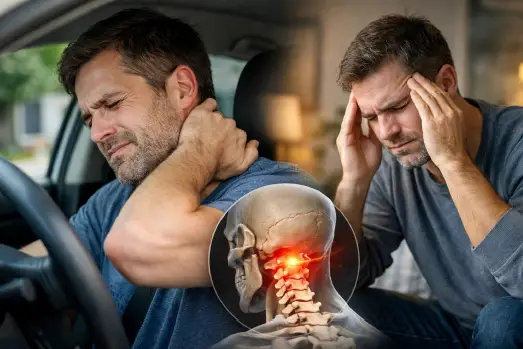
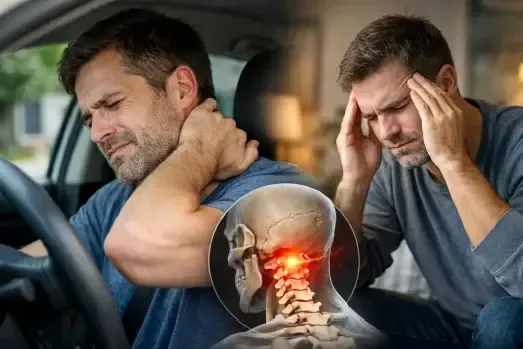
Have you ever been in a "minor" fender bender on I-295 or maybe caught a bad bump while navigating Jacksonville traffic, only to find yourself weeks later feeling... just not right? Maybe you were diagnosed with a concussion, or perhaps you were told "everything looks normal" on an ER scan, but your head still feels like it’s in a fog, your balance is off, and those headaches just won’t quit.
If that sounds like you, you aren’t alone. Many of our neighbors here in Jacksonville are walking around with what they think is a "lingering concussion," when the real culprit might actually be hiding just an inch or two below the skull.
At Ortega Chiropractic Clinic, we see this all the time. The truth is, it is almost impossible to injure the brain without also injuring the delicate structures of the upper neck. Today, let’s talk about the hidden link between Traumatic Brain Injuries (TBIs) and the upper cervical spine, and why our team approach is the key to finally getting your life back.
What is the Upper Cervical Connection?
When we talk about the "upper cervical" area, we are specifically looking at the top two vertebrae in your neck: the Atlas (C1) and the Axis (C2). These two bones are unique. Unlike the rest of your spine, they don’t have interlocking joints; they rely almost entirely on ligaments and muscles to stay in place. This gives your head its incredible range of motion, but it also makes this area incredibly vulnerable during a car accident.
Think about the physics of a crash. When your head whipped forward and back: even at low speeds: your brain isn't the only thing moving. That 10-to-12-pound bowling ball of a head puts massive strain on the C1 and C2.

Why Standard Scans Often Miss the Problem
Who should you trust when the MRI says you're "fine" but you feel terrible? It’s a frustrating position to be in. The reason standard imaging often misses upper cervical issues is that they are looking for broken bones or major brain bleeds. They aren't necessarily looking for the subtle misalignments: called subluxations: that disrupt how your brain and body communicate.
How Your Neck Mimics a Brain Injury
It’s fascinating (and a bit scary) how much an upper cervical misalignment can look exactly like a concussion. Research shows that when these top vertebrae shift even slightly out of place, they can cause a "traffic jam" for your nervous system. Here’s how that happens:
1. Blood Flow Disruption Your vertebral arteries actually travel through the loops of your upper cervical vertebrae. If the Atlas is misaligned, it can act like a kink in a garden hose, potentially reducing the optimal flow of oxygen-rich blood to the brain. This is a huge reason why people experience persistent "brain fog" and cognitive fatigue.
2. Cerebrospinal Fluid (CSF) Flow Your brain basically floats in CSF, which acts as a cushion and a waste-removal system. Misalignments at the top of the neck can obstruct the drainage of this fluid. When that fluid backs up, it can increase pressure inside the skull, leading to those pounding "concussion" headaches that just won't go away with aspirin.
3. Brainstem Irritation The brainstem sits right at the level of the Atlas. It’s the "control center" for your autonomic nervous system: things like heart rate, breathing, and balance. If your neck is out of alignment, it can irritate the brainstem, causing dizziness, vertigo, and a feeling of being "disconnected."
The Ortega Team Approach: Why Two Heads (And More) Are Better Than One
At Ortega Chiropractic Clinic, we don't believe in a one-size-fits-all solution for TBIs or neck injuries. Why? Because you are a whole person, not just a collection of symptoms. We’ve built a unique team approach right here in Jacksonville to make sure no stone is left unturned.
Dr. Mirabelli: The Neurology Expert When you’re dealing with a TBI, you need someone who understands the complexities of the brain. Dr. Mirabelli brings a high level of expertise in neurology to our clinic. He works to identify exactly how the brain has been affected, ensuring that we are addressing the neurological side of your recovery with precision.
Dr. Read: The Spine Specialist While Dr. Mirabelli focuses on the neurological pathways, our chiropractors, like Dr. Read, focus on the structural foundation. By gently correcting those upper cervical misalignments, Dr. Read helps "open the gates," allowing the nervous system to function the way it was designed to. When the structure is right, the neurology can heal.
Dr. Jim Diesen: Oversight and Whole-Body Healing Our CEO, Jim Diesen, oversees our TBI program with a focus on comprehensive care. Jim understands that recovery isn't just about physical adjustments: it’s about the mindset and the habits that support healing. He incorporates hypnotherapy and health coaching to help neighbors manage the stress, anxiety, and lifestyle changes that often follow a traumatic accident.

Don't Forget the Emotional Side: Support from Lew Whiting
Recovering from a car accident and a TBI can be an incredibly lonely and taxing experience. It’s not uncommon to feel frustrated, depressed, or anxious about your progress. We believe mental health is a vital part of the recovery puzzle. That’s why Lew Whiting, LCSW, is an integral part of our support team. Having a Licensed Clinical Social Worker on your side means you have a safe space to process the emotional impact of your injury while we work on the physical side.
The Jacksonville "14-Day Rule": Why You Can’t Wait
If you’ve been in an auto accident in Florida, there is something very important you need to know: The 14-Day Rule.
In our state, you have exactly 14 days from the date of your accident to seek medical attention to qualify for your Personal Injury Protection (PIP) insurance benefits. If you wait 15 days, you could lose access to the coverage you’ve been paying for: coverage that is designed to pay for your treatment, including neurological evaluations and chiropractic care.
Are you looking for a way to make sure you’re covered? It is simple. Visit www.2weekrule.com for a complimentary evaluation. We want to make sure our Jacksonville neighbors don't get stuck with a lifetime of medical bills just because they waited a few days too long to get checked out.
What Sets Us Apart?
What makes Ortega Chiropractic Clinic different from a "faceless" corporate clinic? It’s the personal touch. We live here, we work here, and we care about our neighbors.
• Accessibility: We know your time is valuable. We strive for minimal wait times and even offer same-day appointments when possible.
• Direct Communication: We don’t hide behind layers of automated phone menus. We make ourselves accessible because we know that when you're in pain, you need answers, not a voicemail.
• A True Partnership: We don't just "crack" your neck and send you on your way. We work together: Neurology, Chiropractic, Counseling, and Coaching: to ensure you are moving toward total wellness.
Is It Your Brain or Your Neck? Let’s Find Out.
If you’re struggling with dizziness, headaches, or brain fog after an accident, don't just assume it will "go away on its own." Whether it’s a concussion, an upper cervical issue, or a combination of both, you deserve a team that looks at the big picture.
What sets us apart? We listen. We look deeper. And we work together to get you back to being you.
It is simple to get started. Simply call us at (904) 425-4545 to schedule your consultation. Let’s figure out the hidden link to your symptoms and get you on the path to recovery.

Your Jacksonville neighbors at Ortega Chiropractic Clinic are here for you. Don't let the 14-day window close: call (904) 425-4545 today or visit www.2weekrule.com to secure your evaluation.
